Hieroglyphic Alphabet
Ancient Egyptian writing uses a set of 24 uniliteral signs — hieroglyphs that each represent a single consonant. Together they form the phonetic backbone of the writing system, though they were always used alongside logograms and determinatives rather than as a standalone alphabet.
Note: Like most Semitic writing systems, Egyptian hieroglyphs record consonants only — vowels were not written. Signs are listed here in the conventional Egyptological dictionary order. Transliteration follows the Leyden Unified Transliteration standard; the yod sign (M17) is shown as i͗ (i with a stroke), with the legacy notation j in parentheses.
| Sign(s) | MdC | Transliteration | Pronunciation | Object Depicted | Comments |
|---|---|---|---|---|---|
| A | ꜣ | a | Egyptian vulture | a glottal stop as in German words beginning with a vowel | |
| i | i͗(j) | y or i | flowering reed leaf | seems to have sometimes the value of y, sometimes (mainly at the beginning of words) that of ꜣ. Thus can be pronounced 'i' or 'ee' as in French 'i'. At the beginning of some divine names it is pronounced 'a', e.g. 'imn' = Amun. | |
| y | y | y | two reeds | pronounced 'y' | |
| a | ꜥ | a | forearm | a gutteral sound unknown to English which can be pronounced as a long a | |
| w | w | u | (1) quail chick (2) coil of rope | 'u' or 'oo' as in 'pool' | |
| b | b | b | leg and foot | same as in English | |
| p | p | p | stool | same as in English | |
| f | f | f | horned viper | same as in English | |
| m | m | m | (1) owl (2) unknown | same as in English | |
| n | n | n | water line | same as in English | |
| r | r | r | mouth | same as in English | |
| h | h | h | reed shelter in fields | same as in English | |
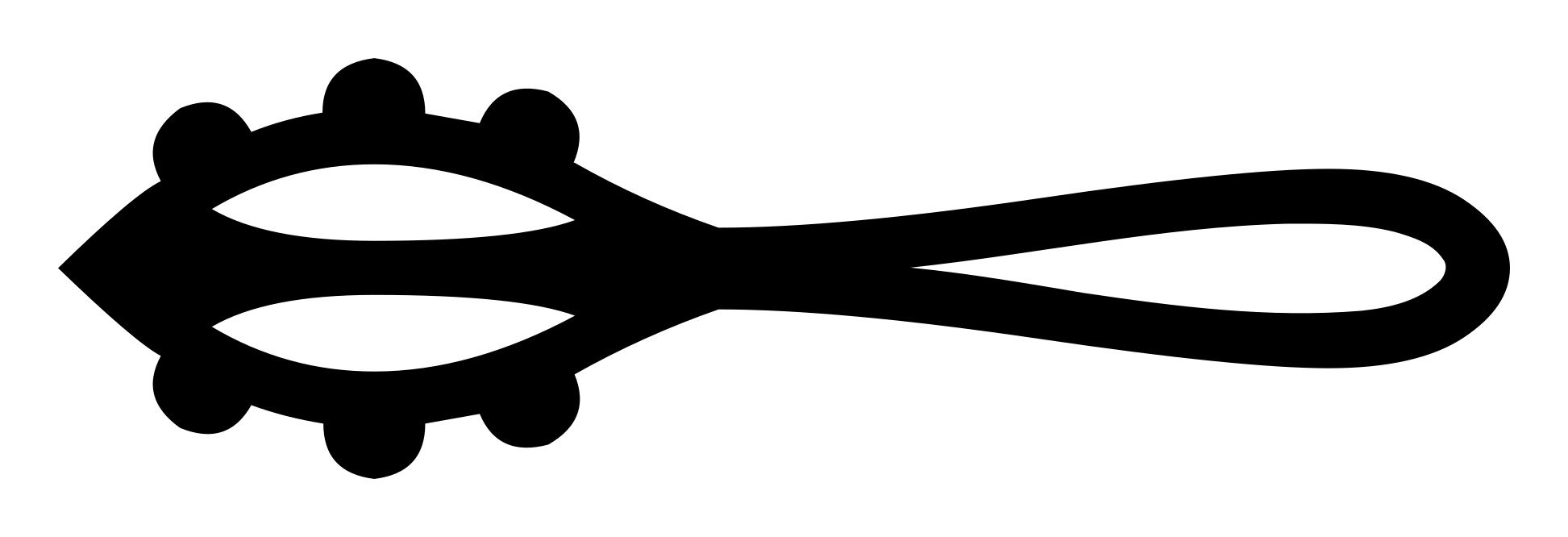
| H | ḥ | h | wick of twisted flax | strongly aspirated or emphatic 'h' sound unknown to English | |
| x | ḫ | kh | placenta(?) | a gutteral sound unknown to English. Like 'ch' in Scottish 'loch'. | |
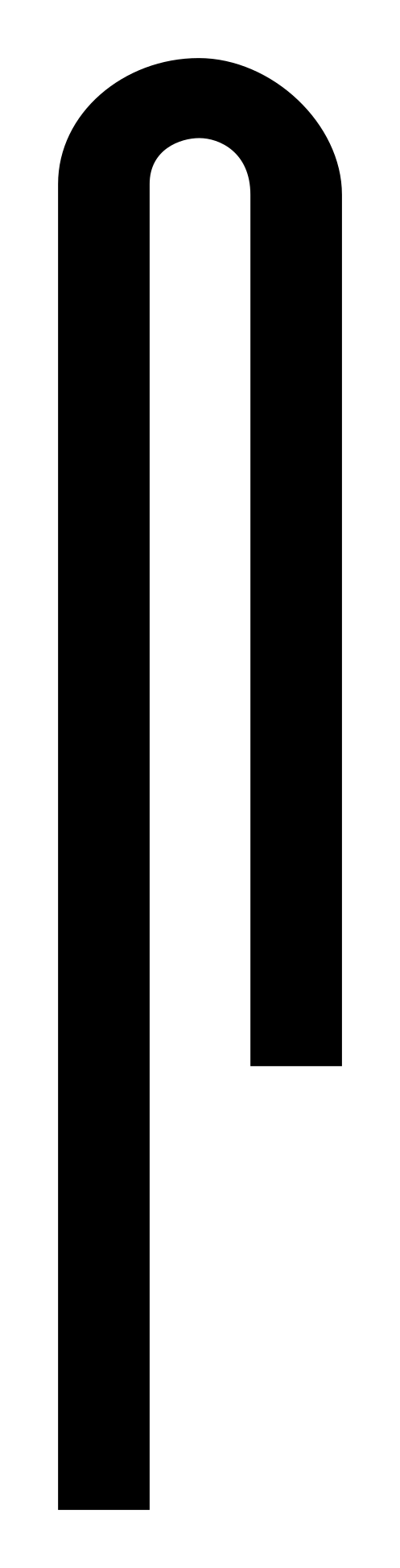
| X | ẖ | ch | animal belly | perhaps like 'ch' in German 'ich' | |
| z | z | z | (1) bolt (2) folded cloth | same as in English | |
| s | s | s | (1) bolt (2) folded cloth | same as in English | |
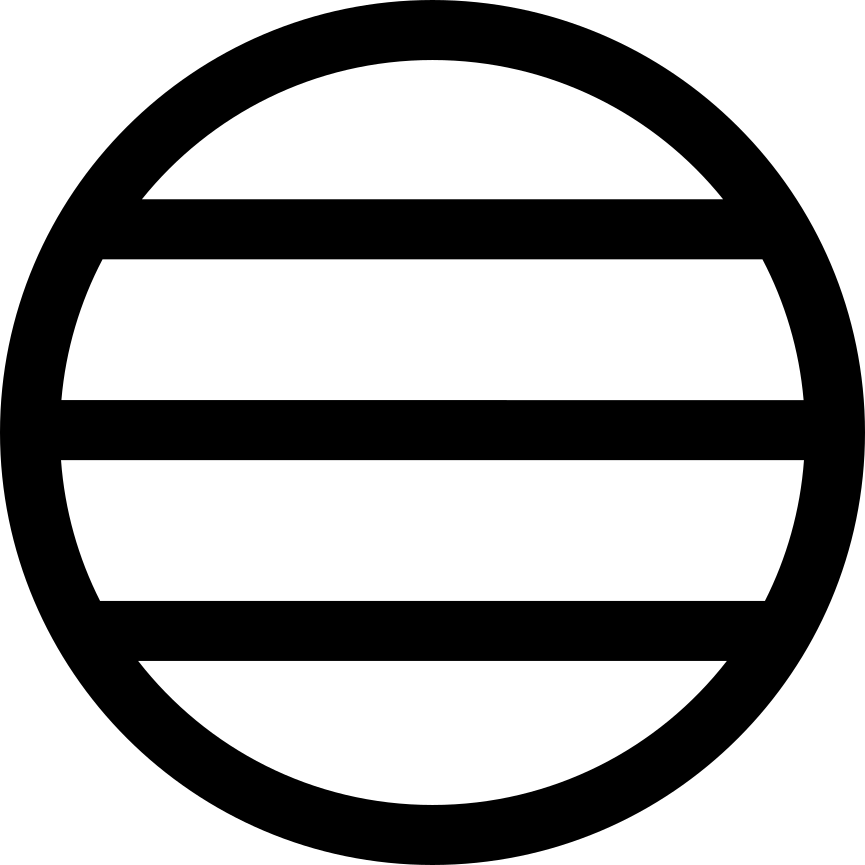
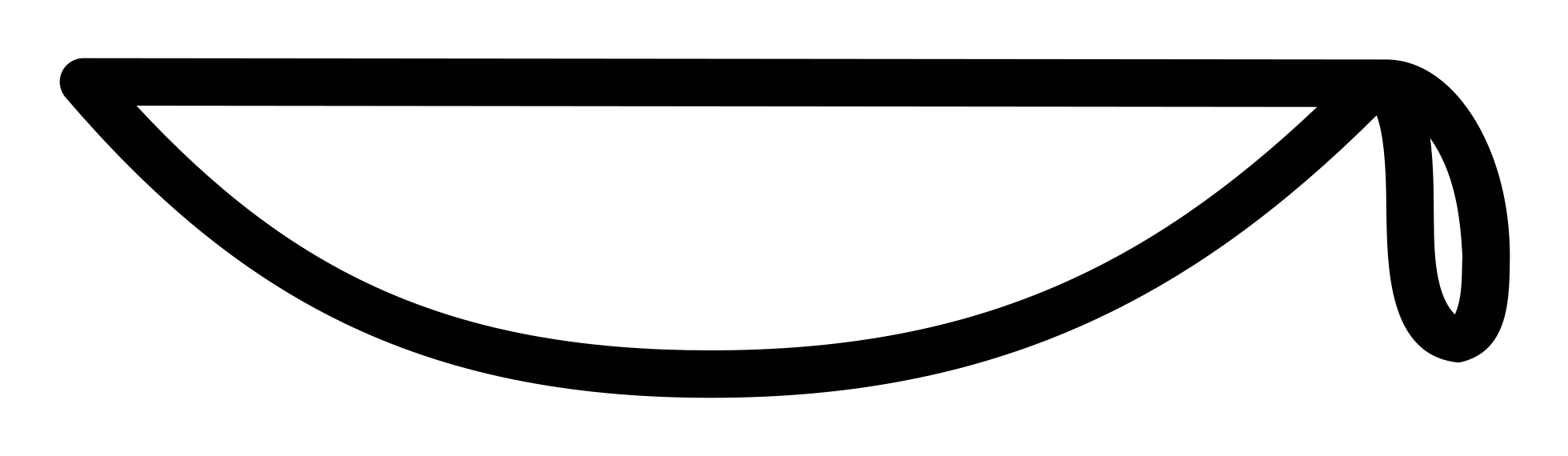
| S | š | sh | pool | same as in English | |
| q | ḳ | q | hill-slope | Arabic glottal sound, best represented by the English 'k' | |
| k | k | k | basket with handle | same as in English | |
| g | g | g | stand for jar | same as in English | |
| t | t | t | loaf of bread | same as in English | |
| T | ṯ | tch | tethering rope | combination of two letters in English, 'ch' | |
| d | d | d | hand | same as in English | |
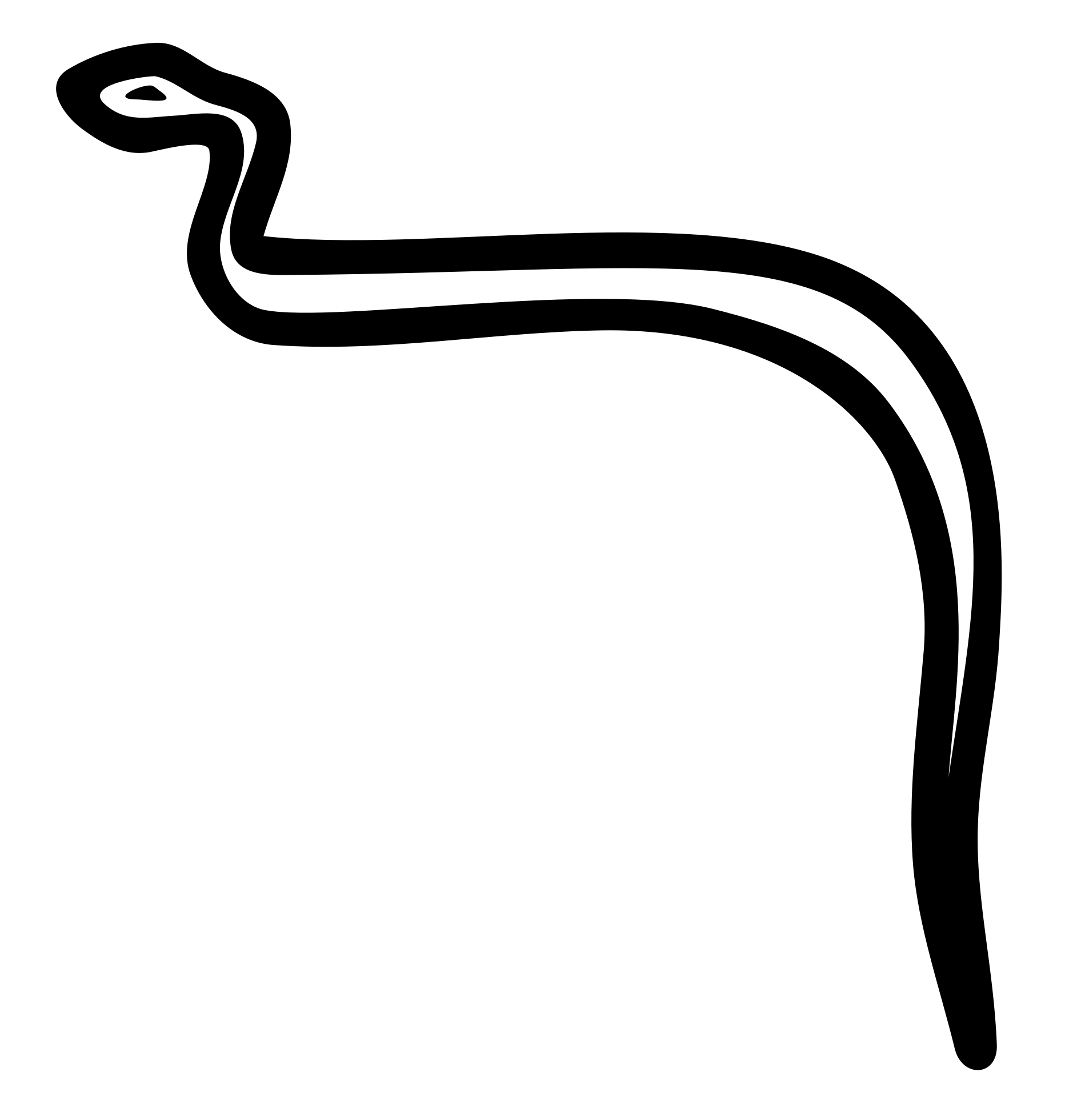
| D | ḏ | dj | snake | same as 'j' in English |
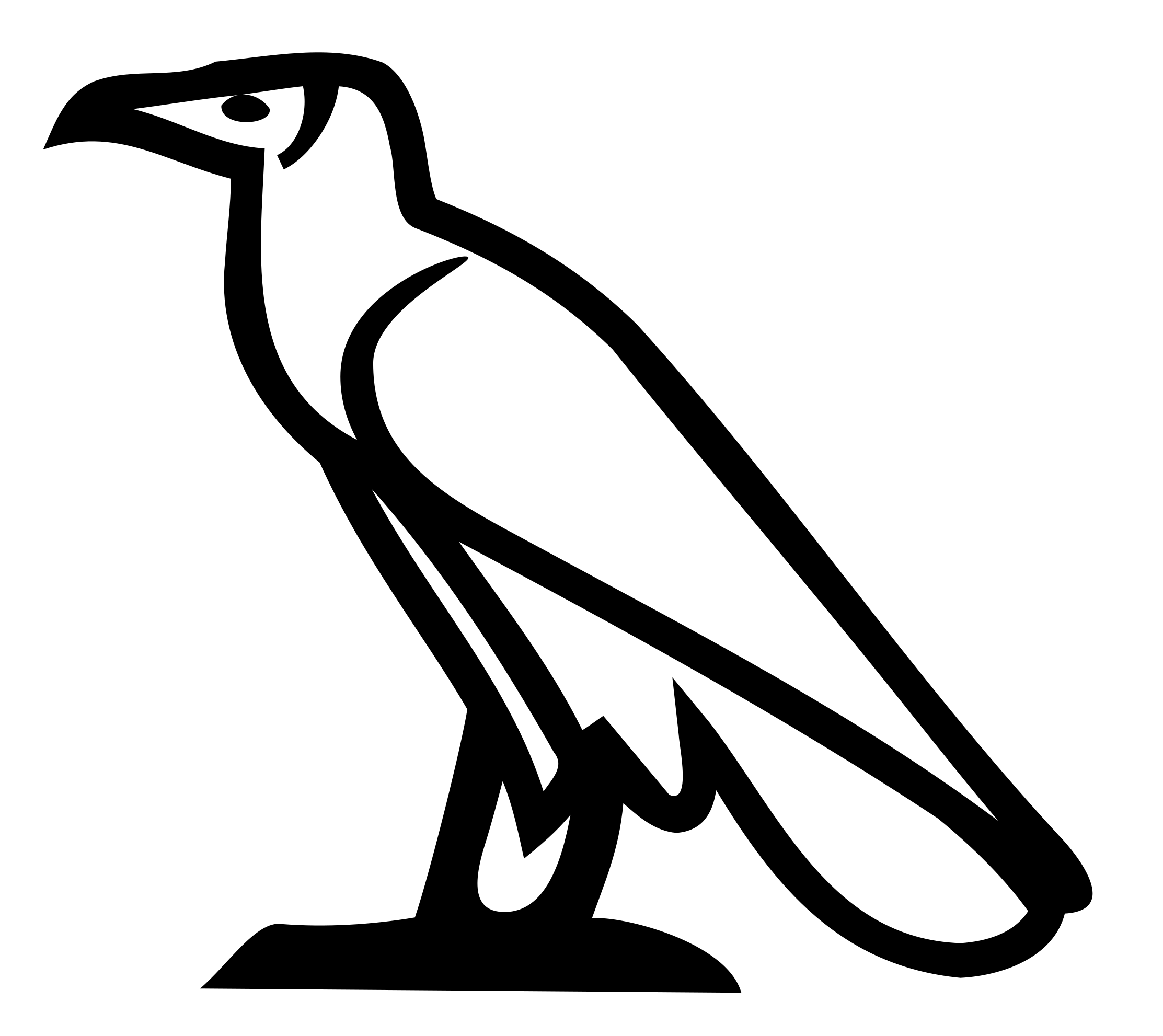







Egyptian vulture
a glottal stop as in German words beginning with a vowel
flowering reed leaf
seems to have sometimes the value of y, sometimes (mainly at the beginning of words) that of ꜣ. Thus can be pronounced 'i' or 'ee' as in French 'i'. At the beginning of some divine names it is pronounced 'a', e.g. 'imn' = Amun.
forearm
a gutteral sound unknown to English which can be pronounced as a long a
leg and foot
same as in English
stool
same as in English
horned viper
same as in English
(1) owl (2) unknown
same as in English
water line
same as in English
mouth
same as in English
reed shelter in fields
same as in English
wick of twisted flax
strongly aspirated or emphatic 'h' sound unknown to English
placenta(?)
a gutteral sound unknown to English. Like 'ch' in Scottish 'loch'.
animal belly
perhaps like 'ch' in German 'ich'
(1) bolt (2) folded cloth
same as in English
(1) bolt (2) folded cloth
same as in English
pool
same as in English
hill-slope
Arabic glottal sound, best represented by the English 'k'
basket with handle
same as in English
stand for jar
same as in English
loaf of bread
same as in English
tethering rope
combination of two letters in English, 'ch'
hand
same as in English
snake
same as 'j' in English
Signs link to their full glyph entries. Some letters have two alternate signs — either could be used in ancient texts.