

Meanings
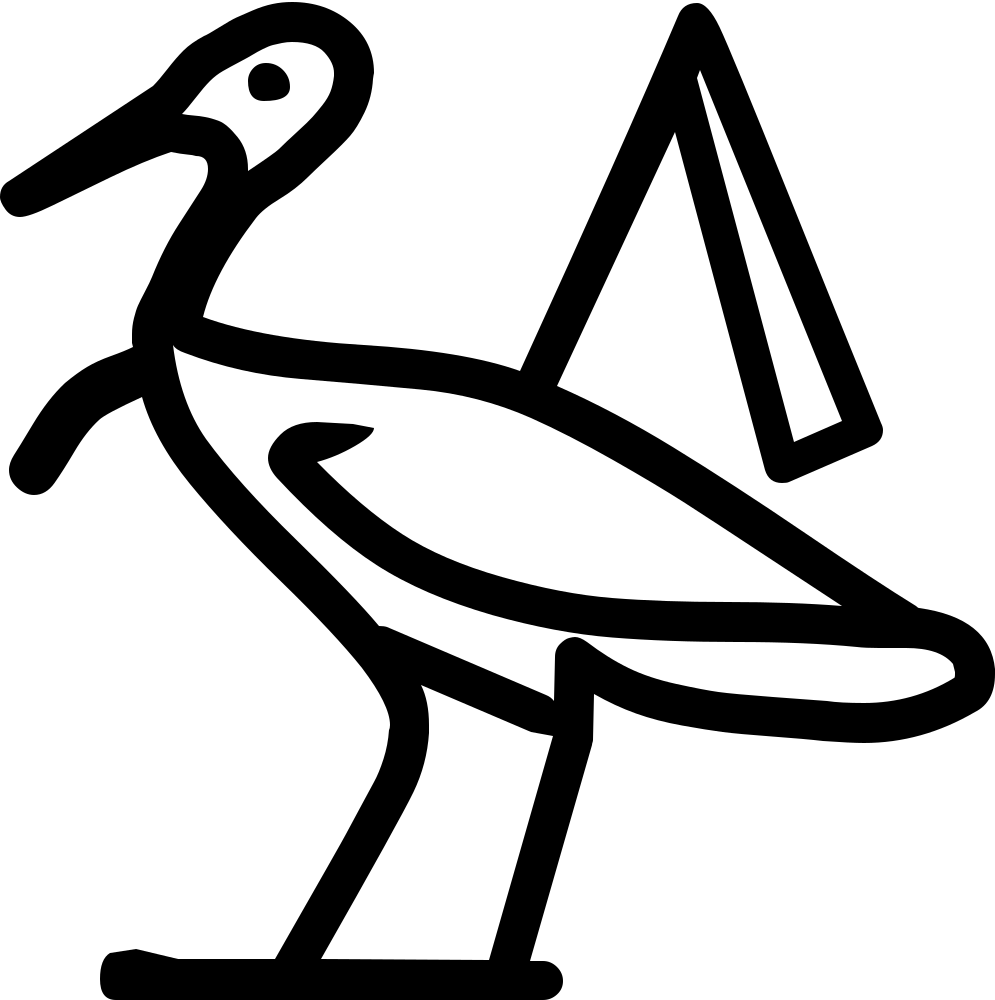
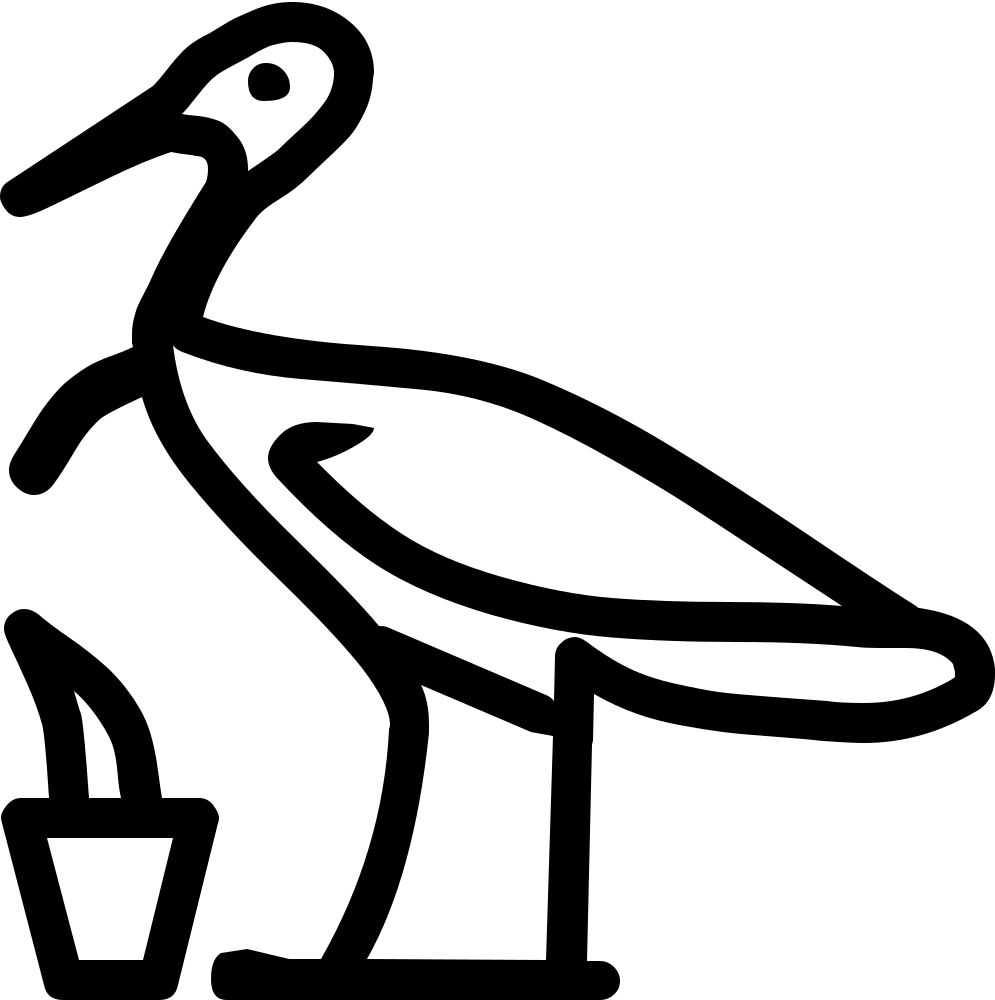
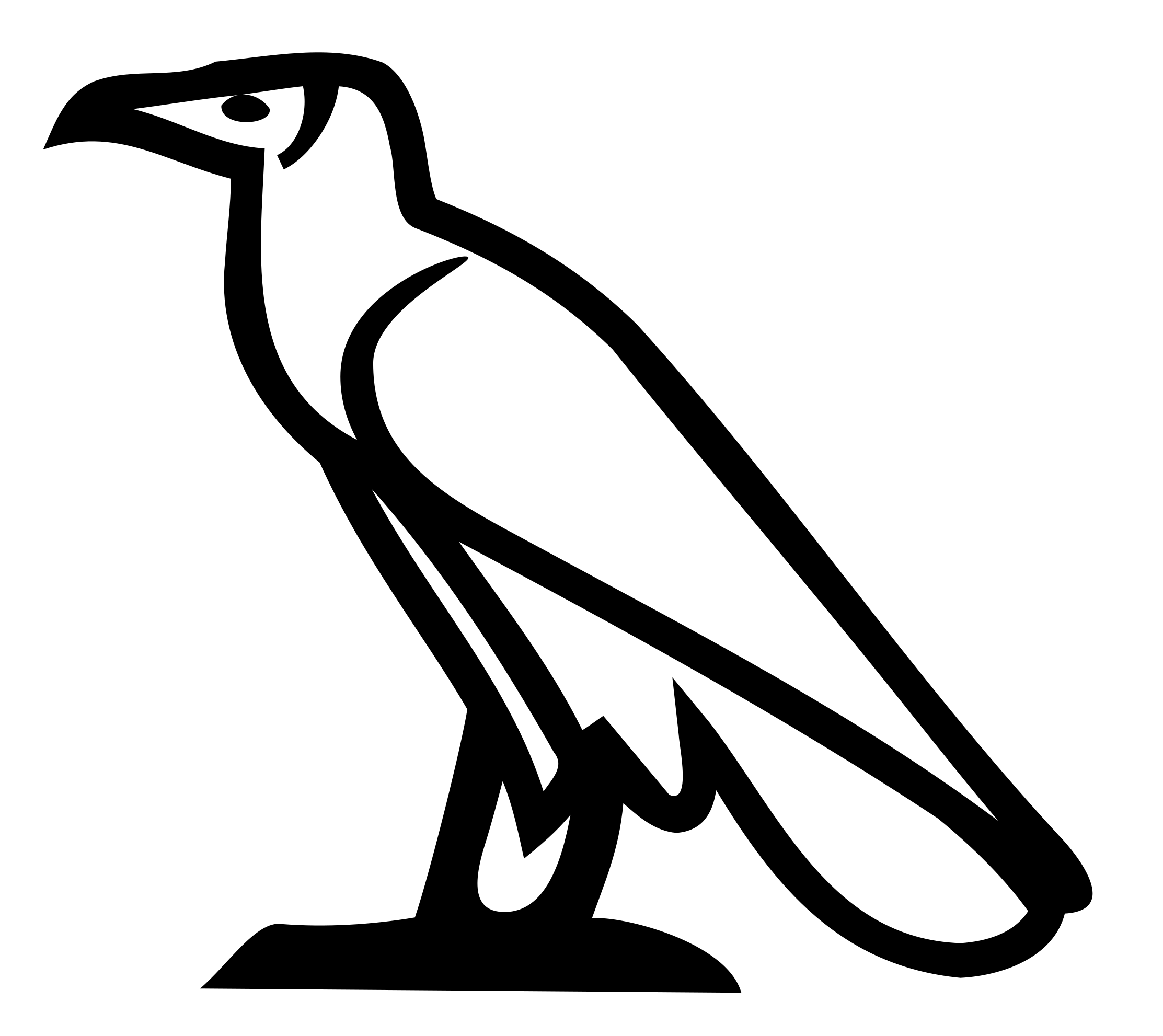
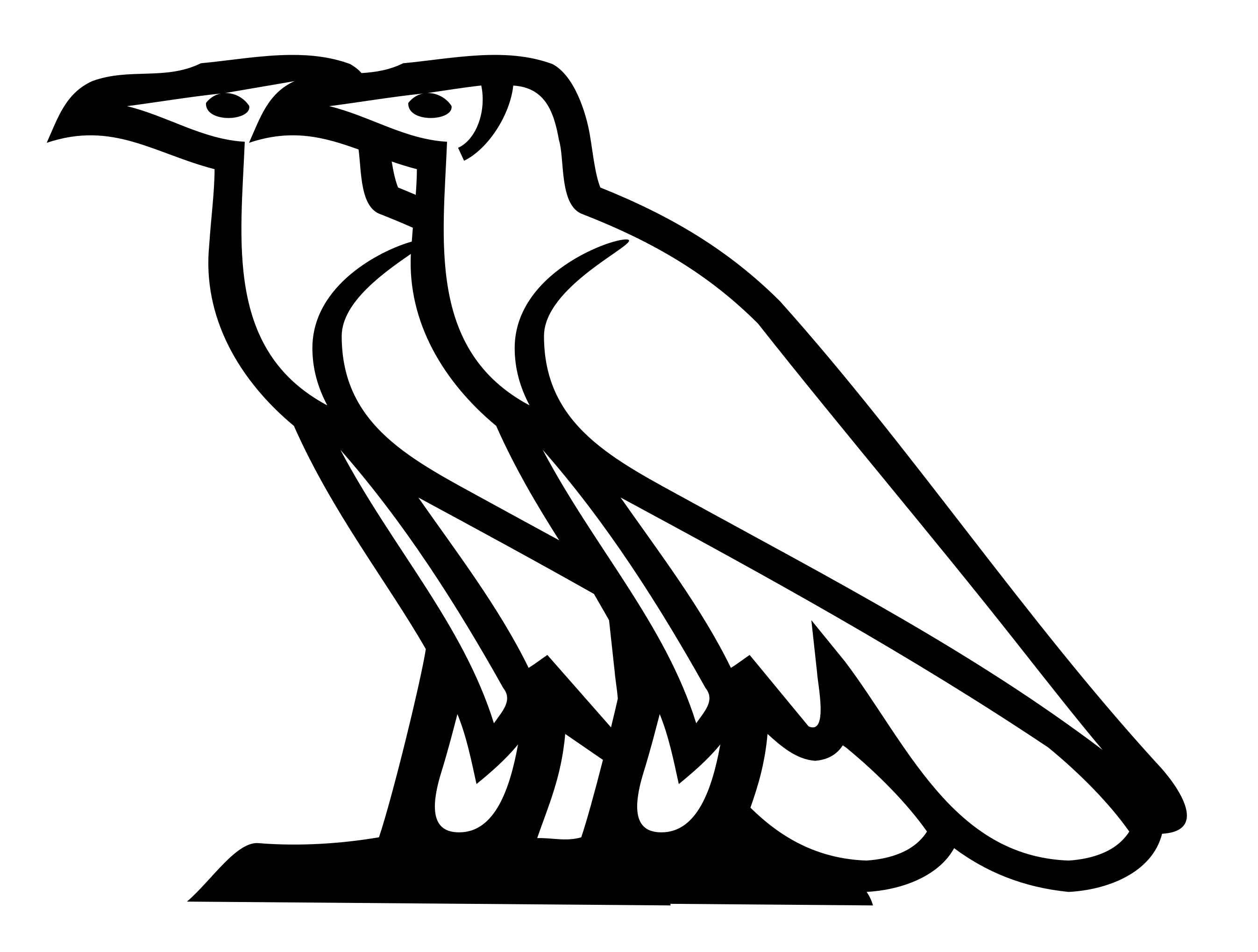
Originally representing the saddle-billed stork (Ephippiorhynchus senegalensis). The stork is depicted with decreasing accuracy over time; the earliest instances come from knife and mace handles from the Late Predynastic Period and are very accurate. Starting from the 3rd Dynasty the bill of the hieroglyphic stork began to shorten. In later phases of the Old Kingdom, as the bird died out and disappeared from Egypt, the glyph became increasingly schematized, with a shorter neck and bill, a goose-like posture, and incorrect placement of the wattle on the neck or chest rather than at the base of the bill. This form then continued on mostly unchanged for the rest of Egyptian history. The phonetic value of bꜣ is derived by the rebus principle from the glyph’s use as a logogram for bꜣ (“ba”).
1. Biliteral phonogram for bꜣ.
2. Phonogram: bꜣ
3. Phonogram: b
1. Logogram for bꜣ (“ba”).
2. Logogram: bꜣ — soul
1. A saddle-billed stork (Ephippiorhynchus senegalensis), with lappet.
Words Using This Glyph




weariness, languor, slackness, remissness, the tired man, the dead





stone doorjamb, stone doorpost


Egypt


Phallus, Glans, Urethra




construction site
Appears in


Related Glyphs


Royal Names Using This Glyph
This glyph appears in 2 royal names.