Meanings
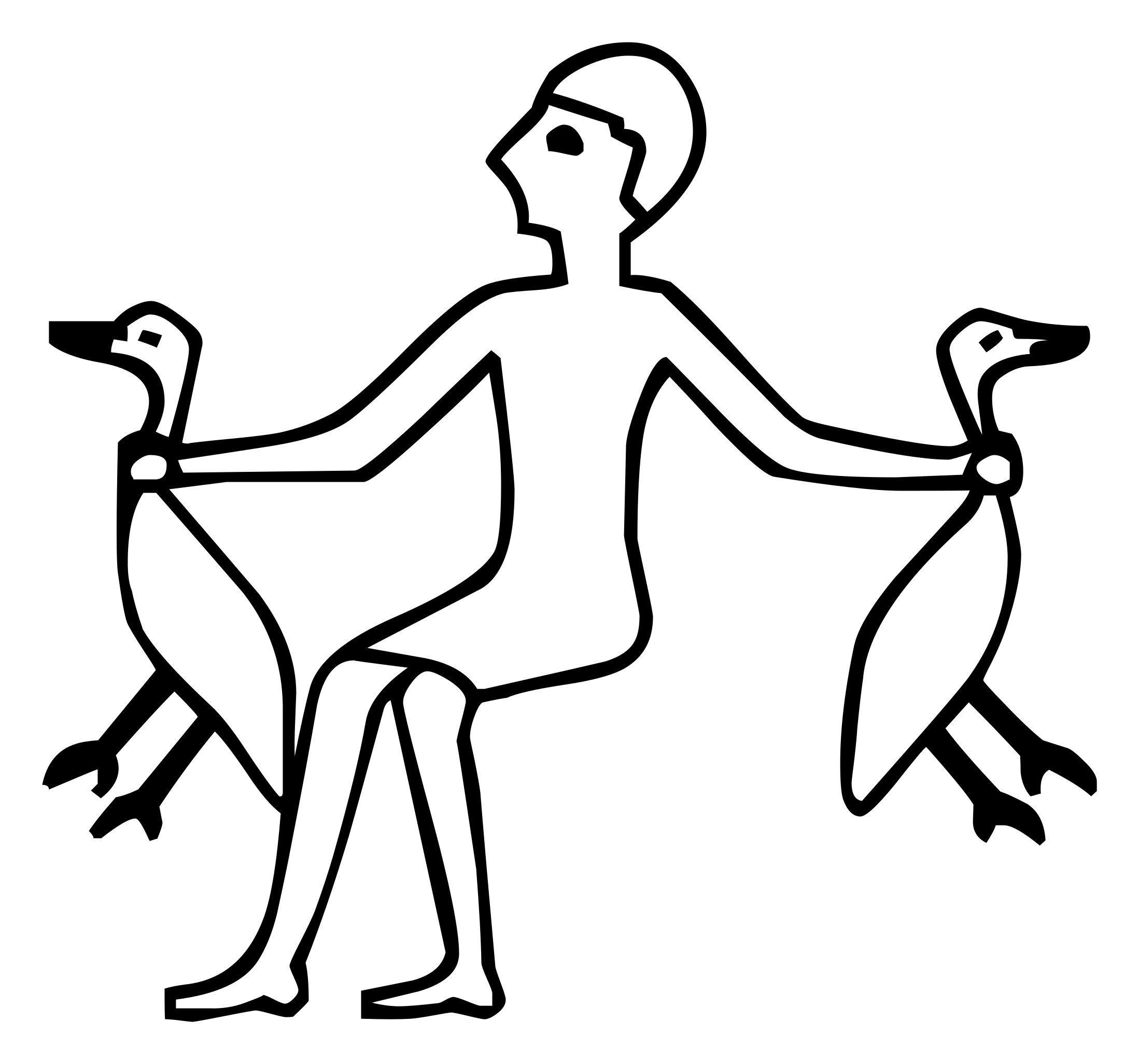
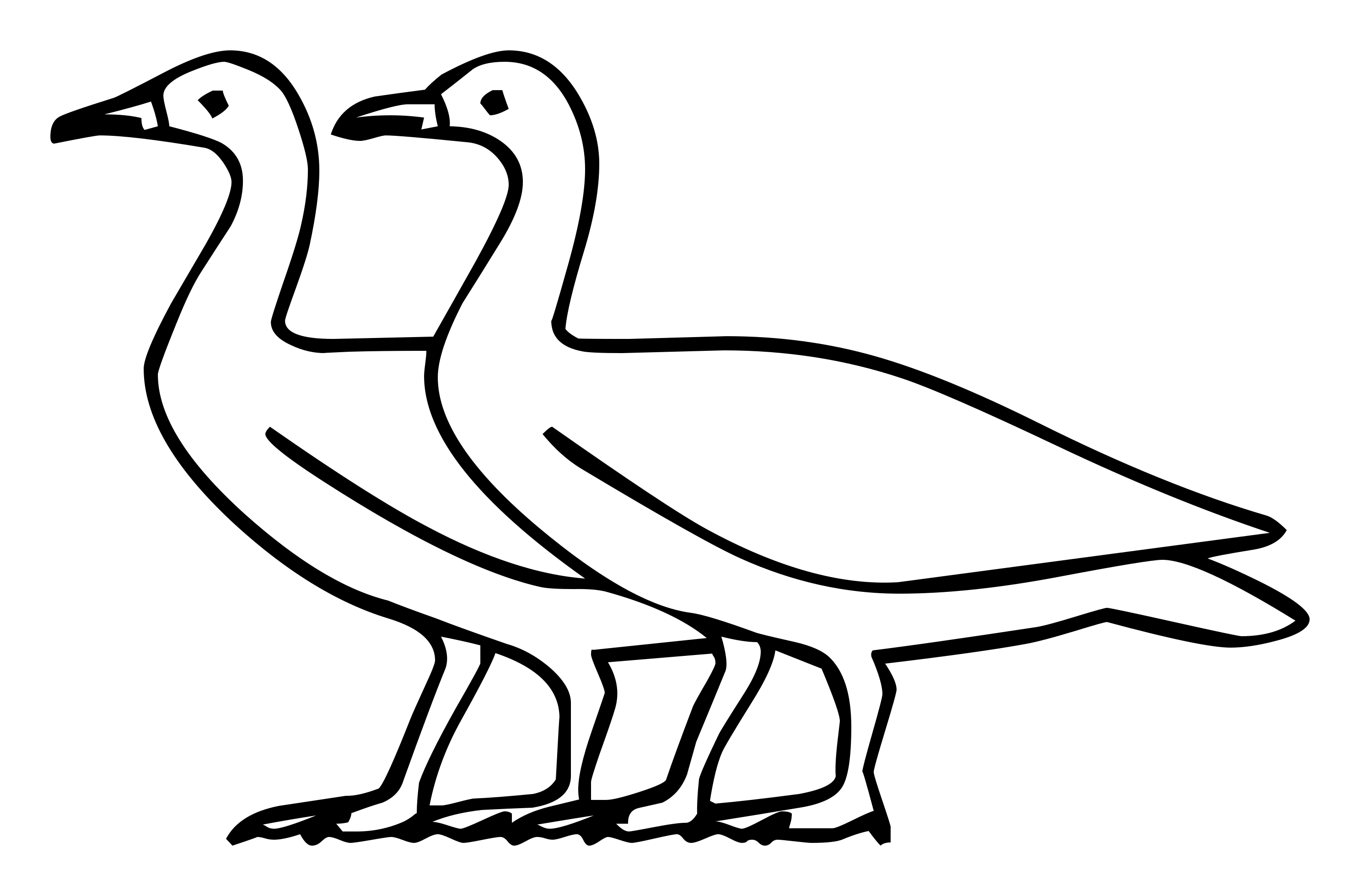
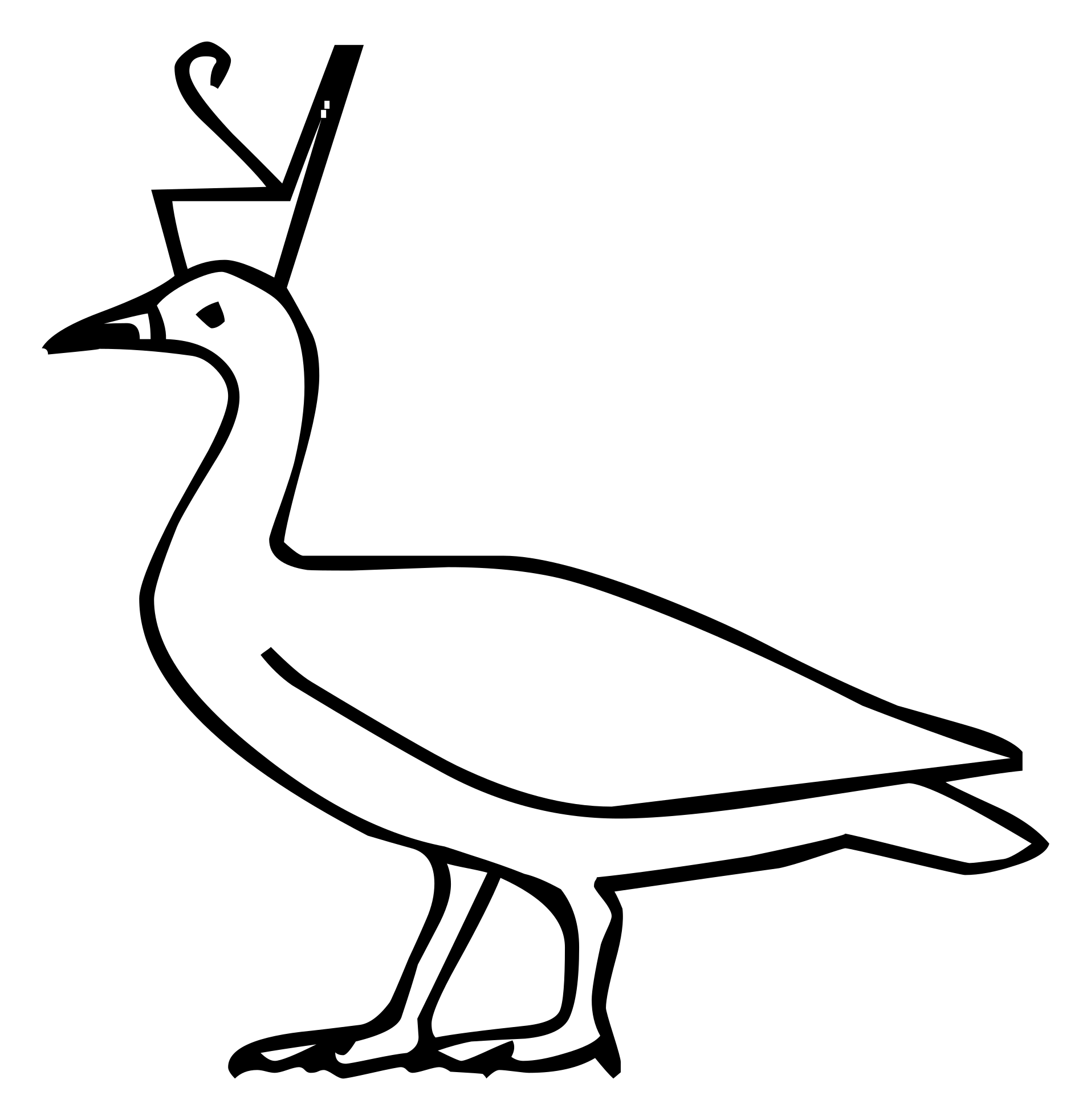
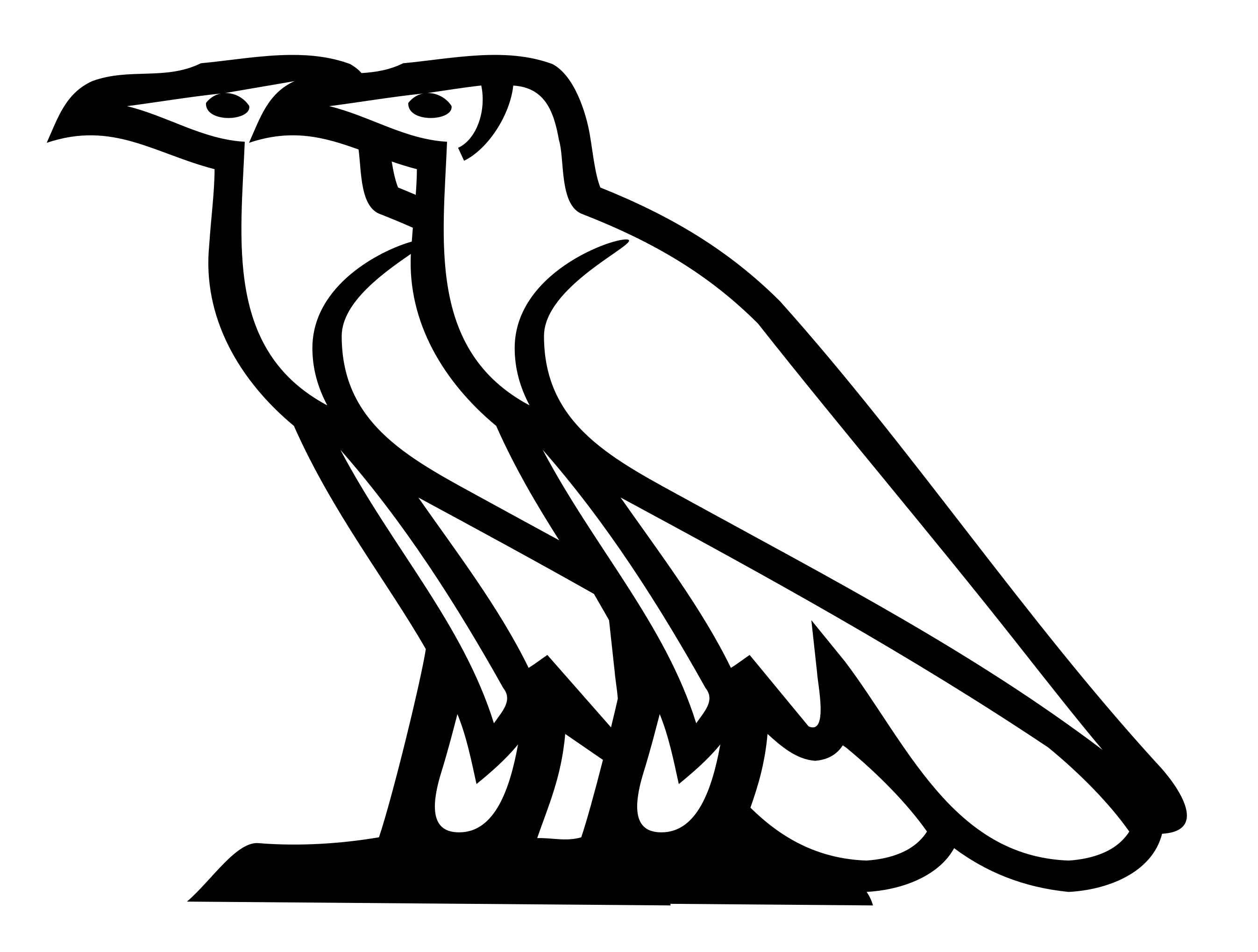
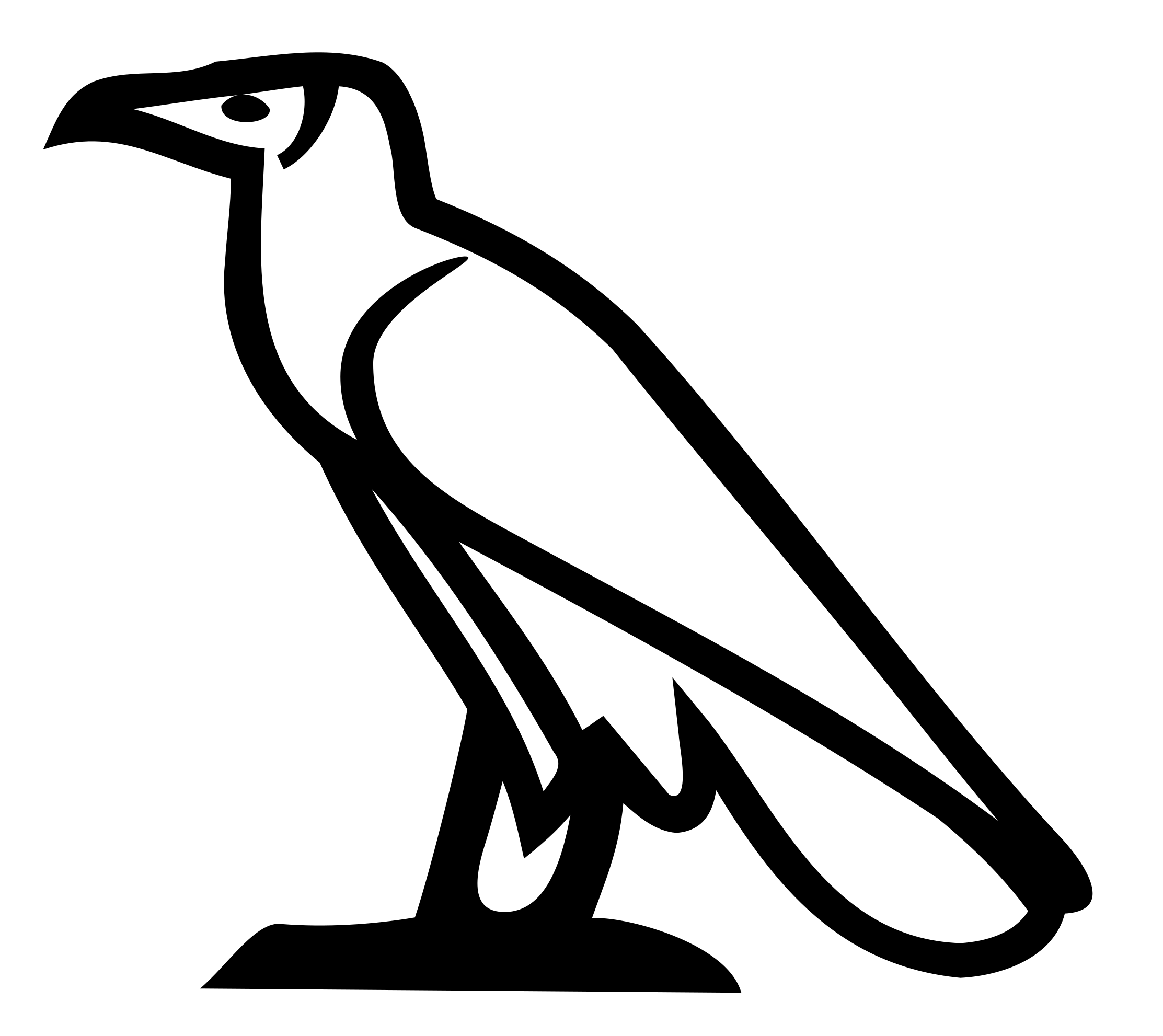
Representing a waterfowl of uncertain species, likely the same as that referred to by the word ꜣpd in its stricter sense, or perhaps simply an abstraction intended to represent a prototypical waterfowl (and therefore bird). Gardiner considered it the white-fronted goose (Anser albifrons), but only one existing example of this hieroglyph shows details that certainly establish it to be of this species, so this may be attributable to an idiosyncrasy of a particular scribe. Other authors instead argue that the glyph is a duck on the basis of Faulkner’s arguments regarding the original meaning of ꜣpd. The phonetic value of gb is derived by the rebus principle from its use as the determinative for a kind of goose, gbb.
1. Biliteral phonogram for gb.
2. Phonogram: gb
3. Phonogram: wfꜣ
4. Phonogram: wsf
5. Phonogram: wdf
6. Phonogram: ḥtm
1. Logogram for ꜣpd (“bird”).
2. Logogram: gb — white-fronted goose
1. Determinative for kinds of waterfowl, as in ꜣpd, rꜣ, ṯrp, gbb.
2. Determinative for birds and insects in general.
3. Phonetic determinative in various verbs: wfꜣ (“to discuss”), wzf (“to be(come) idle”), wdfj (“to be(come) late”), ḥtm (“to perish”).
4. Determinative: goose
5. Determinative: (any) bird, flying insect
1. A greater white-fronted goose (Anser albifrons).
Words Using This Glyph


greylag goose
goose shaped cake, goose shaped incense

Geb


mediterranean gull


duck, bird